Why Smart Travel Advisors Pair Destinations (and How to Do It Well)
Multi-country itineraries are often misunderstood as a way to maximize how many places a client can visit in a single trip. On the surface, it looks like added value. In practice, that approach often leads to fatigue, fragmented experiences, and a sense that nothing was fully absorbed.
The strongest advisors approach this differently. Pairing destinations is not about adding more. It is about designing better.
When done with intention, a well-paired itinerary shapes how a trip feels from beginning to end. It introduces contrast, controls energy, and creates a rhythm that clients may not consciously recognize, but will always remember.
Below is a more nuanced way to approach destination pairing, grounded in both strategy and client psychology.
Start with Emotional Contrast, Not Geography
Convenience is often the default starting point. Close borders, short flights, and easy connections can make a pairing look efficient on paper. But efficiency alone does not create a compelling experience.
What actually elevates an itinerary is contrast.
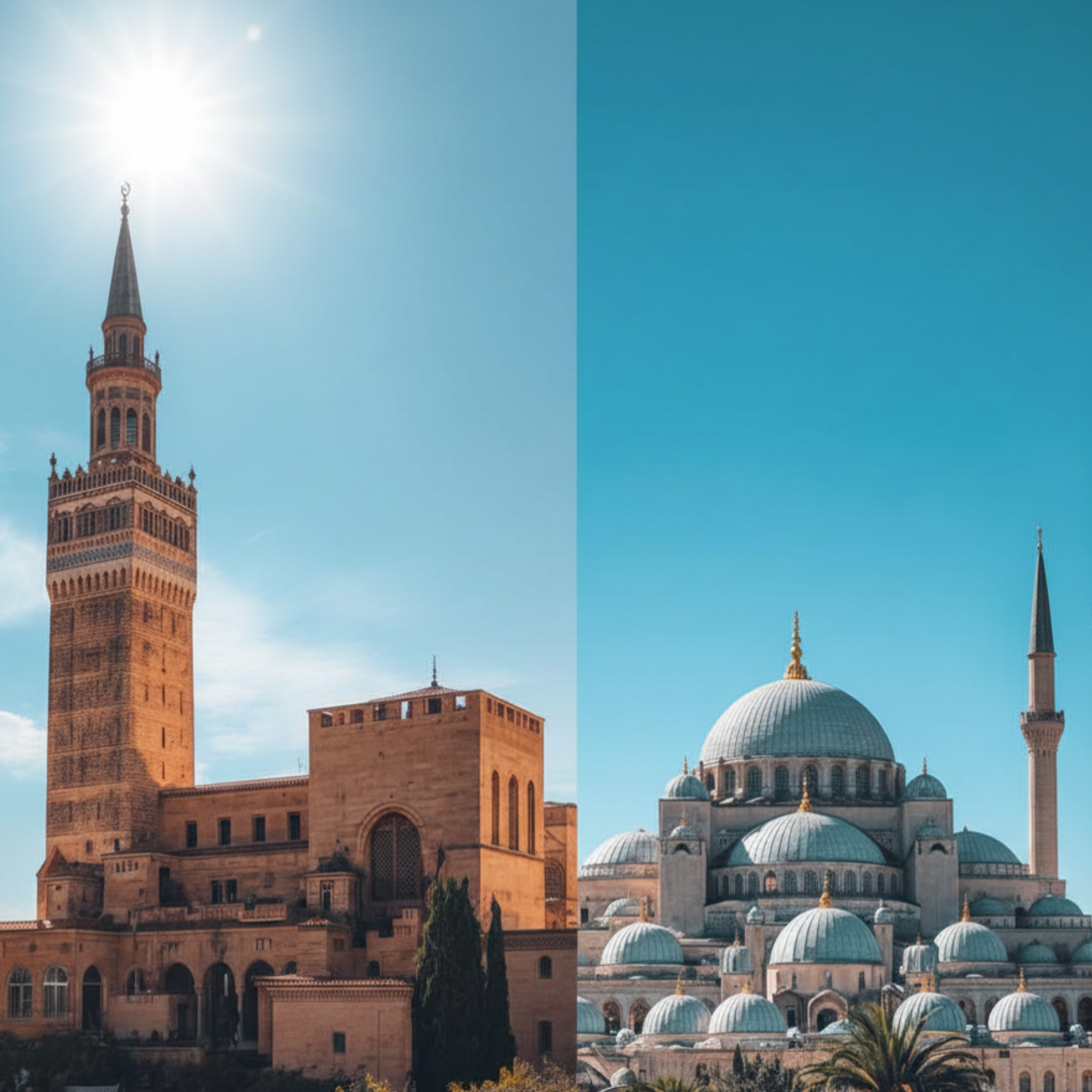
Spain and Morocco are a strong example, not simply because they are close, but because they feel fundamentally different.
Spain and Morocco are a strong example, not simply because they are close, but because they feel fundamentally different. Southern Spain offers structure, symmetry, and a slower, more polished rhythm. Crossing into northern Morocco introduces density, movement, and sensory intensity. The shift is immediate and noticeable.
This contrast gives clients the feeling that their trip had depth. That they experienced more than one version of a region.
A useful internal question when building itineraries is: What changes emotionally when the client moves from destination A to destination B?
If the answer is minimal, such as similar architecture, similar pacing, or similar daily structure, the pairing is likely adding complexity without adding value.
Design for Energy Flow, Not Just Logistics
Every destination carries an energy profile. Some require movement, early mornings, and sustained engagement. Others invite stillness, flexibility, and rest.
One of the most common gaps in itinerary design is failing to account for how energy accumulates over time.
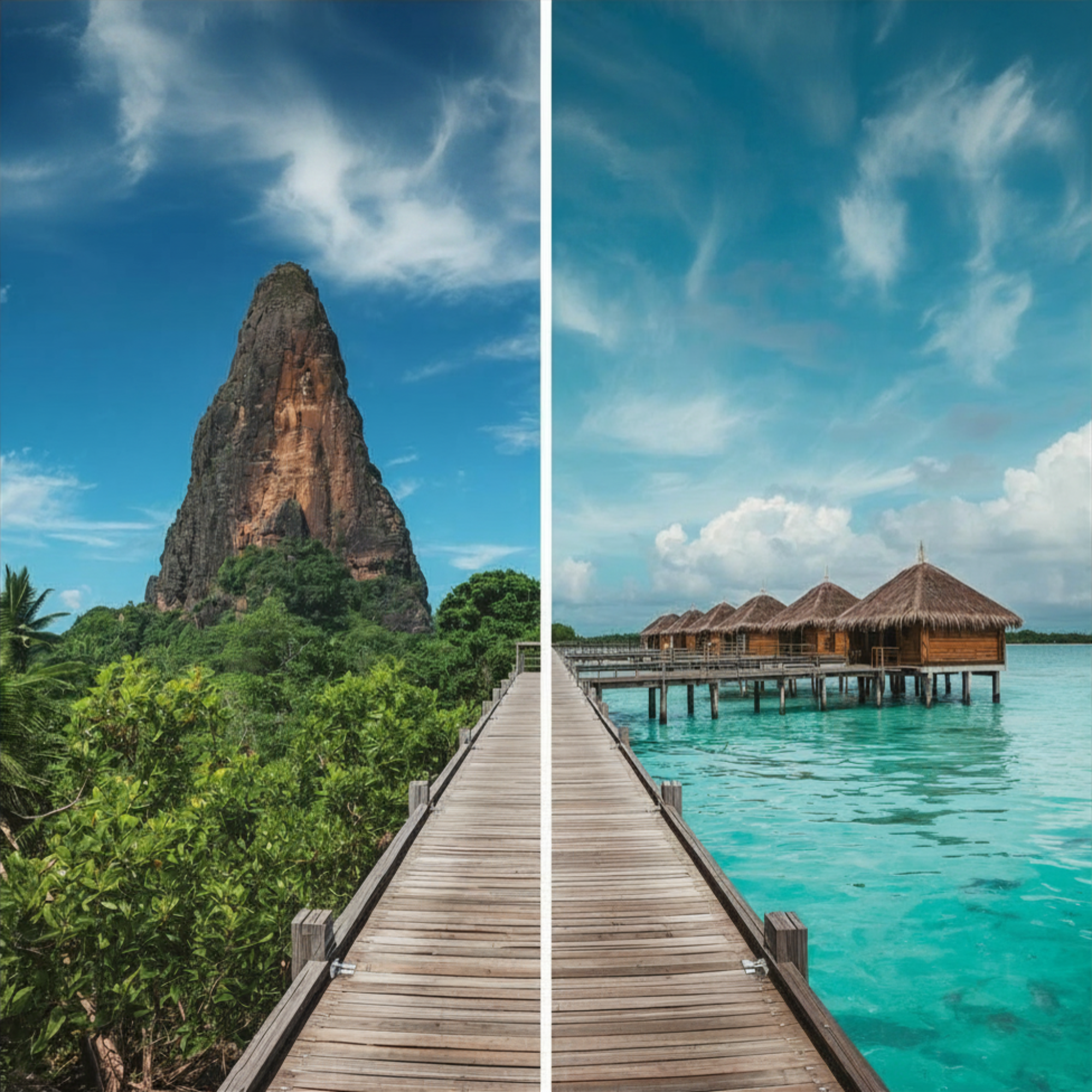
Sri Lanka paired with the Maldives works because it respects this progression.
Sri Lanka is immersive and active. It asks for attention. By the time clients leave, they feel fulfilled, but also ready to slow down. The Maldives then absorbs that need perfectly, offering stillness without expectation.
Reversing this order disrupts the experience. Starting with rest creates a high baseline of relaxation that is difficult to maintain once activity is introduced. The trip begins to feel uneven.
This principle extends across nearly all pairings. High-engagement destinations should come first, followed by those that allow for release.
Clients rarely articulate this need directly. They might say they want both adventure and relaxation, but they do not always understand how sequencing impacts their experience. That is where thoughtful design becomes a differentiator.
Practice Strategic Restraint
There is often pressure, whether internal or client-driven, to include more. More cities, more stops, more variety.
However, every addition introduces friction. Packing and unpacking, transfers, check-in times, and logistical transitions all carry a cost. When overdone, they dilute the experience rather than enhance it.
Spain and Morocco again illustrate this well. Limiting Morocco to Tangier preserves the integrity of the pairing. Expanding deeper into the country, while appealing in theory, often creates rushed timelines and logistical strain that outweigh the benefit.
Restraint signals confidence. It shows that the advisor is not simply fulfilling requests, but curating an experience with a clear point of view.
A well-designed itinerary should feel complete, not crowded.
Layer Experiences to Elevate Perceived Value
Pairing destinations also allows advisors to shape how clients perceive value.
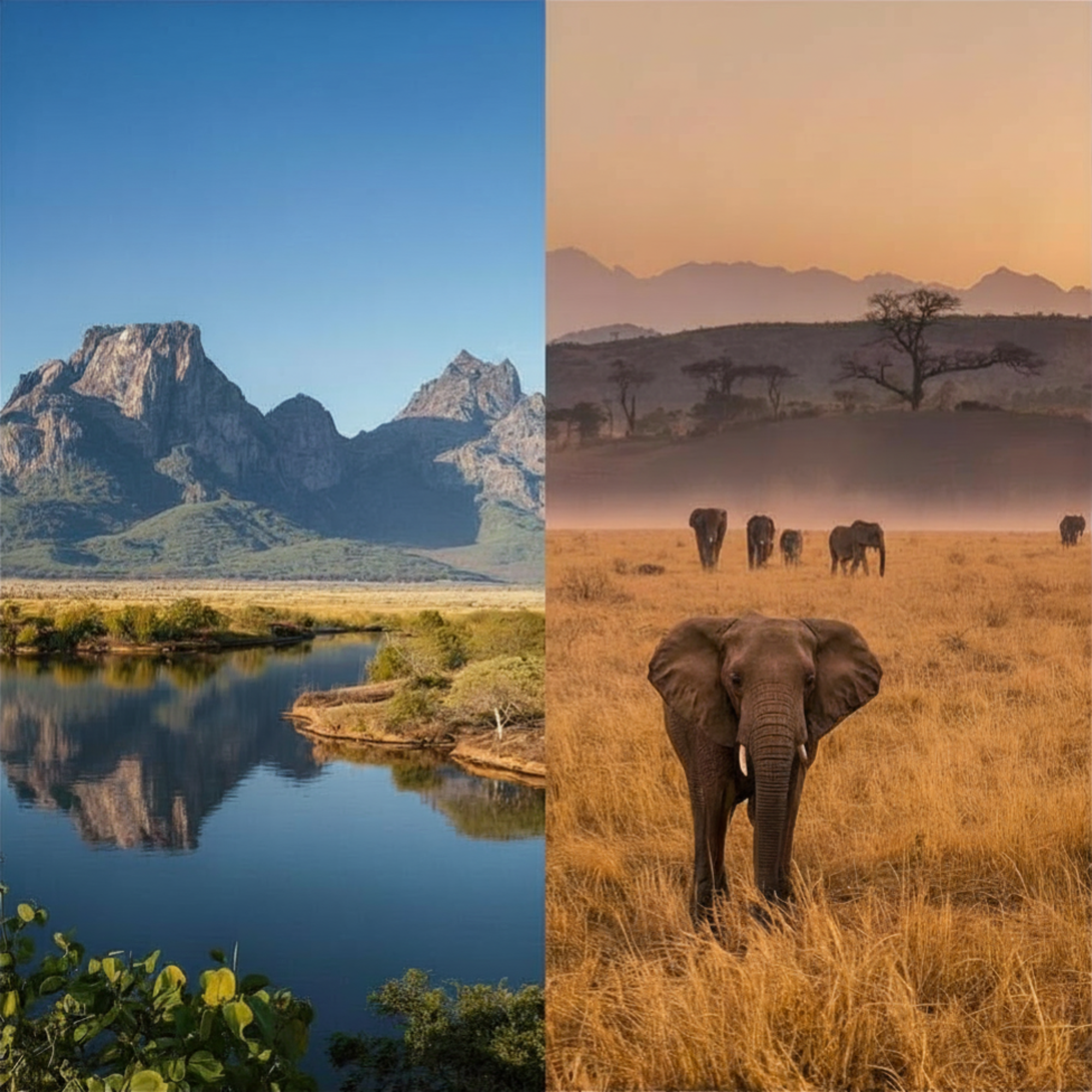
Botswana and South Africa demonstrate how layering different types of experiences can transform a trip.
Cape Town offers accessibility, culture, and lifestyle. It feels vibrant and familiar in certain ways. Botswana, on the other hand, introduces exclusivity, remoteness, and a deeper level of immersion through safari.
Individually, each destination is strong. Together, they create a narrative that feels both expansive and elevated.
This layered structure allows clients to experience multiple “versions” of a destination category, urban, culinary, wilderness, without feeling repetitive. It also supports higher investment levels because the trip feels intentionally varied rather than singular in focus.
In this sense, pairing is not about increasing cost. It is about increasing depth.
Use Timing as a Design Tool, Not a Constraint
Seasonality is often treated as a limitation, something to work around. Strong advisors use it as a design advantage.

Chile and Argentina require careful timing because their seasons run opposite to those in the Northern Hemisphere, and conditions vary significantly by region.
Patagonia, for instance, has a relatively narrow window where weather, accessibility, and overall experience align.
Rather than simply accommodating a client’s initial travel dates, advisors who guide timing decisions position themselves differently. They shift from being reactive to being consultative.
Timing can also be used to enhance contrast. Moving between regions at their peak conditions ensures that each destination feels fully realized, rather than compromised.
Clients may not remember the exact reasoning behind a date recommendation, but they will remember how seamless and “well-timed” the trip felt.
Think in Terms of Narrative, Not Stops
At a higher level, destination pairing is about storytelling.
Each location represents a chapter, and the transitions between them determine how the story unfolds. Without a clear narrative, even the most beautiful destinations can feel disconnected.
A strong pairing answers three unspoken questions:
How does the trip begin?
How does it build?
How does it end?
Sri Lanka and the Maldives, for example, follow a clear arc: engagement, immersion, then release. Botswana and South Africa move from social and vibrant to quiet and introspective. Spain and Morocco shift from composed to dynamic.
When advisors design with narrative in mind, the trip gains cohesion. It feels intentional from start to finish, rather than assembled.
Final Thought
Destination pairing, at its core, is not about selling a bigger trip.
It is about creating a better one.
When contrast is intentional, pacing is considered, and each destination has a clear role within the overall journey, the result is something far more impactful than a standard itinerary.
It becomes an experience that feels effortless, even though every detail was carefully designed.
And that is ultimately what sets exceptional advisors apart.
With gratitude,
Niki